
Lung Cancer Awareness: Understanding Symptoms & When to Get Checked
November marks National Lung Cancer Awareness Month, a time dedicated to increasing education, encouraging early detection, and supporting those affected by the disease.

November marks National Lung Cancer Awareness Month, a time dedicated to increasing education, encouraging early detection, and supporting those affected by the disease.
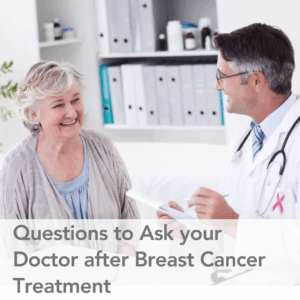
Completing breast cancer treatment is a huge milestone, but your care doesn’t stop there. Follow-up care helps ensure your recovery stays on track, monitors for recurrence, and supports your overall health and well-being.
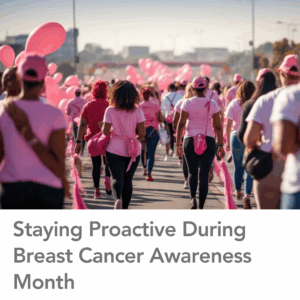
October is a reminder not just to wear pink, but to take meaningful steps toward protecting your health.

A breast cancer diagnosis can feel overwhelming, but today’s treatment options are more effective and personalized than ever before. The right plan depends on the type, stage, and biology of the cancer, as well as a patient’s overall health and preferences.
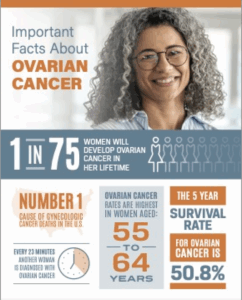
Ovarian cancer is often called the “silent cancer” because its early symptoms can be mistaken for other conditions. Understanding risk factors and warning signs is crucial.
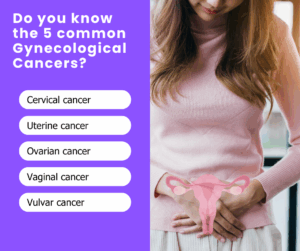
Gynecologic cancers include cancers of the cervix, ovaries, uterus, vulva, and vagina. Awareness and regular screening can make a life-saving difference.
Prostate cancer is one of the most common cancers among men, but when detected early, it is also one of the most treatable. Raising awareness about risk factors, screening guidelines, and treatment options helps men take proactive steps for their health.

Even gentle movement can reduce fatigue, improve your mood, and support healing.
Skin cancer is the most common form of cancer in the United States, but with early detection and prevention, it’s also one of the most treatable.
Completing breast cancer treatment is a huge milestone, but your care doesn’t stop there. Follow-up care helps ensure your recovery stays on track, monitors for recurrence, and supports your overall health and well-being.
October is a reminder not just to wear pink, but to take meaningful steps toward protecting your health.
A breast cancer diagnosis can feel overwhelming, but today’s treatment options are more effective and personalized than ever before. The right plan depends on the type, stage, and biology of the cancer, as well as a patient’s overall health and preferences.
Ovarian cancer is often called the “silent cancer” because its early symptoms can be mistaken for other conditions. Understanding risk factors and warning signs is crucial.
Gynecologic cancers include cancers of the cervix, ovaries, uterus, vulva, and vagina. Awareness and regular screening can make a life-saving difference.
Prostate cancer is one of the most common cancers among men, but when detected early, it is also one of the most treatable. Raising awareness about risk factors, screening guidelines, and treatment options helps men take proactive steps for their health.
Even gentle movement can reduce fatigue, improve your mood, and support healing.
Skin cancer is the most common form of cancer in the United States, but with early detection and prevention, it’s also one of the most treatable.
Sleep is a key part of healing, especially during cancer treatment. Your body uses this time to restore itself, manage stress, and support your immune system. Unfortunately, many people undergoing treatment find it difficult to sleep well.

Good nutrition is essential during cancer treatment, and summer offers a bounty of seasonal foods that can help you feel your best. Fresh fruits, vegetables, and hydrating meals not only support your immune system but also help manage treatment side effects.